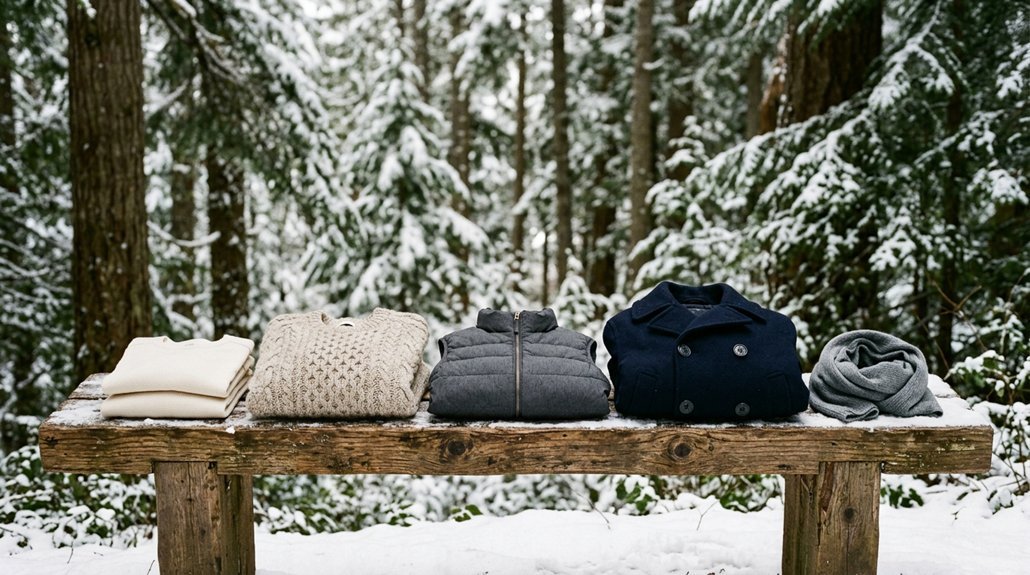
Winter layering is your armor against the cold, a personal climate system you control. You start with sweat-wicking fabric against your skin, add insulation matched to your activity, then seal it with a breathable shell.
The trick? You shed before you soak, you add before you shiver, and you never forget your extremities. But here’s what most people get wrong about that base layer, and it costs them warmth every single time.
Start Dry: Pick a Base Layer That Wicks Sweat
You’ll want a close fit, no baggy tees here, so the fabric actually touches skin and does its job. Underwear and undershirts in wicking materials remove moisture, maintain comfort, keep you moving.
Base layers come in different weights and neck styles, crewneck or quarter-zip, for whatever temperature you’re facing. Pick right, stay dry, build smart.
Recommended Products

Extreme Warmth and Comfort: Made from 90% polyester and 10% spandex super soft fabric, they also help reduce pilling and shrinkage. Adding some extra cozy, warm fleece to the mix, our long johns amazingly help to tackle extreme cold weather conditions
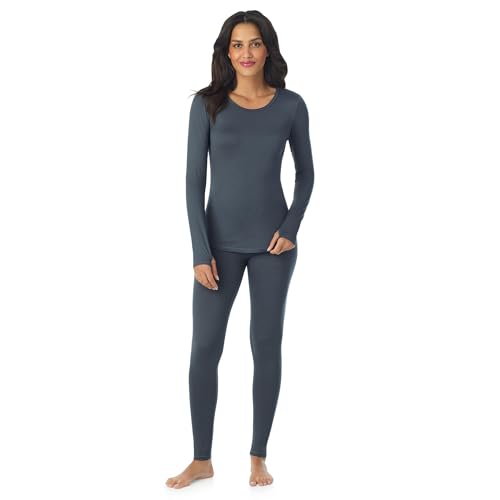
EVERYDAY PERFORMANCE: With a fabric weight of 170 GSM, this active base layer set is built for breathable performance. It’s a sleek, streamlined alternative to our heavyweight winter fleece thermal set - ideal for active days and milder conditions. Lightweight and breathable, the soft inside feel and smooth exterior finish keeps you comfortable and polished from morning to night.

【Soft Material】Thermal underwear for women made of 87% Polyester & 13% Spandex with fleece lined. Womens thermal underwear sets won't make you feel binding or heavy, pants and shirt fit snugly and don't bunch up, can be as long underwear women, also great additional base layer under your clothes to keep the chill away from your skin.
Match Your Winter Mid Layer to Your Movement Level
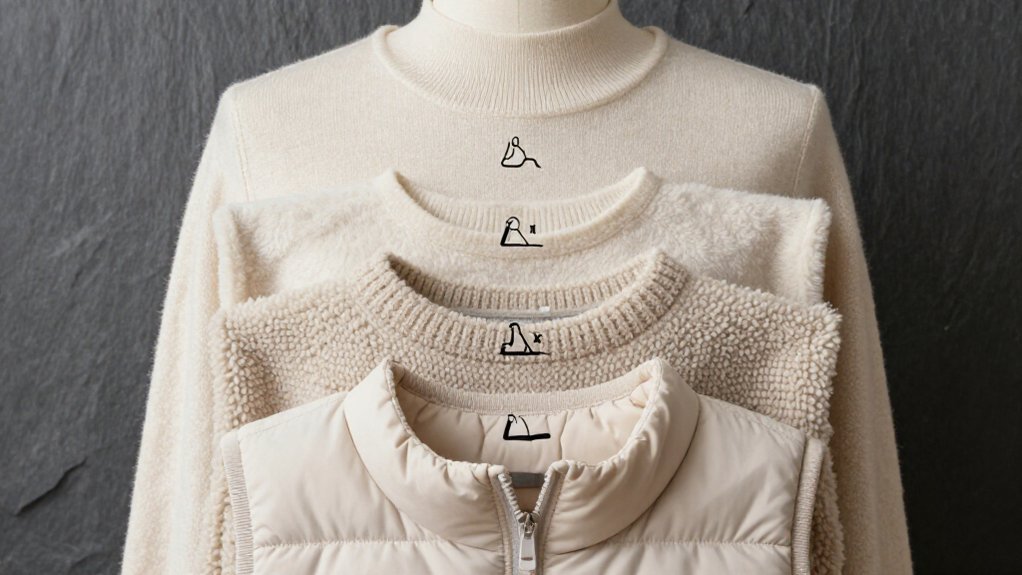
How do you pick the midlayer that won’t leave you sweating through a hike or shivering at the bus stop? Match your midlayer to your movement level, and you’ll nail the sweet spot every time.
High-Octane Days
When you’re crushing trails or sprinting errands, grab lightweight fleece or wool. You need moisture-wicking power here, breathable fabrics that pull sweat away before you freeze during cooldowns. Skip the puffy stuff; you’ll overheat fast.
Slow and Steady Wins
Static periods call for thicker insulation. Down or synthetic puff traps serious warmth without constant layer juggling. Think commuting, spectating, or that coffee shop hop.
The Balancing Act
Your midlayer thickness plays nice with your outer shell. Too bulky restricts movement; too thin leaves you exposed.
For dry, windy days, go lighter. When moisture and wind team up, switch to insulated midlayers that flex with your plans.
Recommended Products

Material: Polyester, Spandex. Soft & comfortable & lightweight

𝐇𝐞𝐚𝐭-𝐑𝐞𝐭𝐚𝐢𝐧𝐢𝐧𝐠 𝐖𝐚𝐫𝐦𝐭𝐡 – The zip sweater’s premium knit construction helps regulate body temperature, delivering steady warmth without overheating—perfect for kids’ cold-weather outdoor activities.

REGULAR FIT: Comfortable, easy fit through the shoulders, chest, and waist
Top It off With a Shell That Blocks Weather Without Trapping Heat
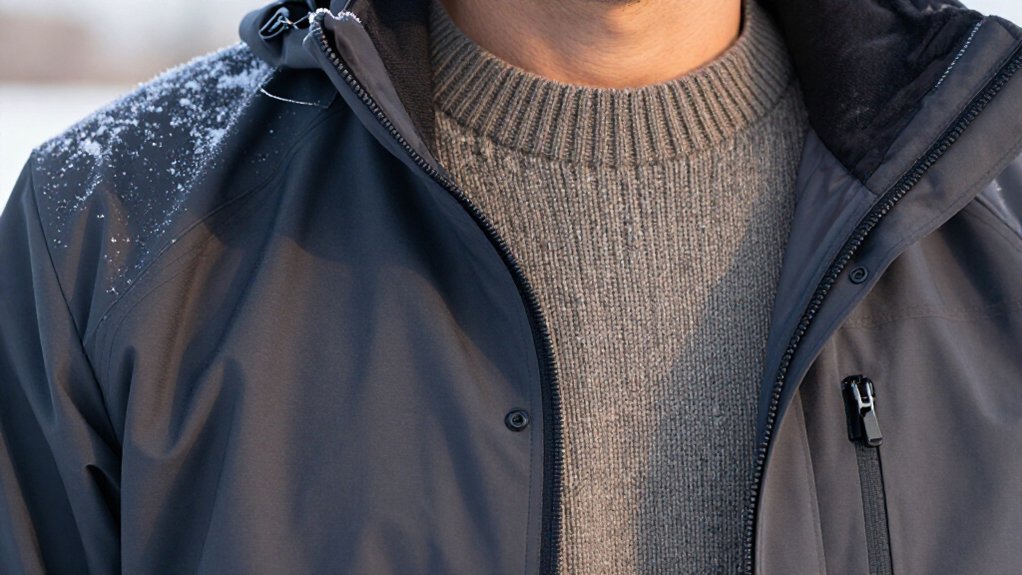
Pick lightweight to triple-layer builds, fully sealed seams, plus DWR coating. Rain, snow, whatever, you’ll shrug it off. Pair it with your midlayers, let moisture escape while you move. No bulk, no sauna, just protection that works as hard as you do.
Now get out there!
Recommended Products

Lightweight & Dry Fit fabric wicks away moisture and dries quickly to keep you dry and cool all day.Allowing you to fully immerse yourself in outdoor activities

Provides protection from the sun’s harmful UV rays

PERFORMANCE FABRIC: This mens hoodie is made of polyester fleece-lined fabric for extra comfort, which is Lightweight, easy care, UPF 50+, soft hand feeling, breathable and stretch with quick-dry properties that keep you warm and comfortable on and off the course.
Shed or Add Layers Before You Soak Through
Whether you’re charging up a trail or hustling through city blocks, the real magic happens before you break a sweat. You need to shed or add layers before you soak through, plain and simple. Start slightly chilly, then build from there.
Your base layer keeps working when it’s dry, so don’t ditch that moisture-wicking foundation too fast. Feeling the burn? Strip the midlayer first. Choose breathable fleece or lightweight down that traps heat without turning into a sauna.
Keep that outer layer ready for when skies open up, because wet insulation quits on you fast. Add layers as you move, shed them on breaks. Responsive layering isn’t rocket science, it’s survival. Stay ahead of the sweat, and you’ll stay warm all day.
Recommended Products

Lightweight insulation jacket that can be worn as a mid layer or by itself.

Synthetic insulation down jacket resists moisture and retains its insulating ability when wet, dries faster and breathes better, does a great job regulating heat and works well for active use.

Lightweight insulation jacket that can be worn as a mid layer or by itself.
Seal Heat In at Your Extremities
Where does your body bleed heat first? Your extremities, hands and feet and head, they’re the first to go cold. That’s why smart layering starts with your base layer, moisture-wicking socks and liners that keep skin dry because wet extremities lose heat fast. You know that clammy feeling? Avoid it.
Now grab your accessories: thermal socks, insulated windproof gloves, a serious hat. These aren’t afterthoughts, they’re your heat seal! Pack hand warmers or a hot water bottle as backup. Layering works here too. Fleece midlayers under waterproof shells block wind chill from reaching your fingers and toes.
Heading out for hours? Bring extra lightweight layers, maybe rechargeable heated options. Your extremities will thank you. Stay warm, stay dry, stay outside longer!
Recommended Products
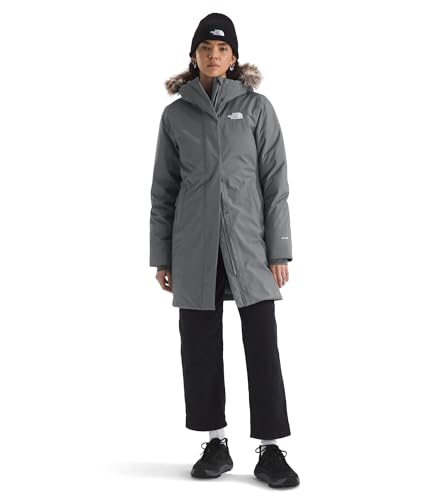
MADE FOR WINTER DAYS: The Women's Arctic Parka is inspired by expeditions and designed for the hustle of day-to-day life. Made with waterproof DryVent fabric and featuring a long above-the-knee fit, this jacket is your shelter when the weather turns.

High quality special waterproof and windproof fabric offers a breathable and comfortable wear experience in any kinds of weather condition

The Best of Both Worlds | With the waterproof weather protection of a hardshell jacket combined with the stretch and breathability of a softshell, this ski touring shell does it all.